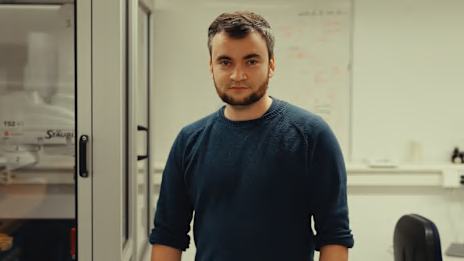
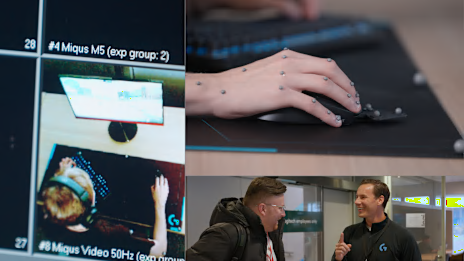
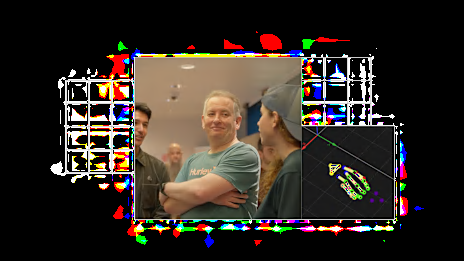
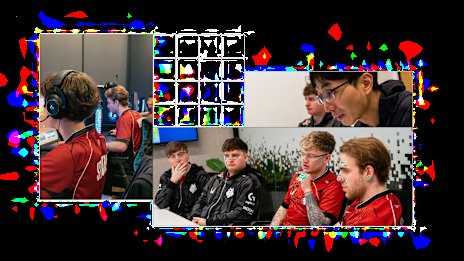
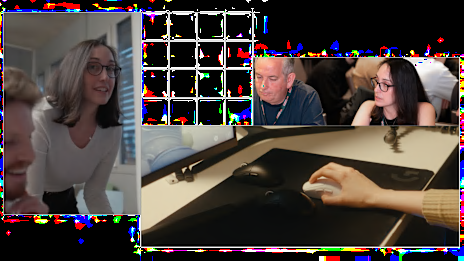
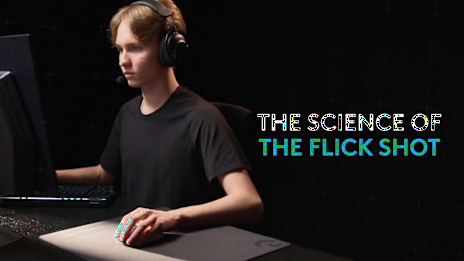
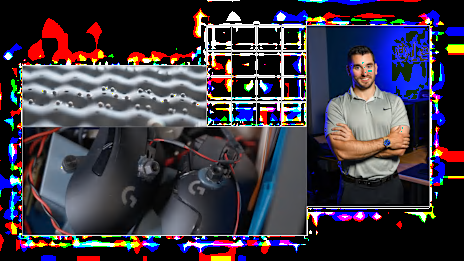
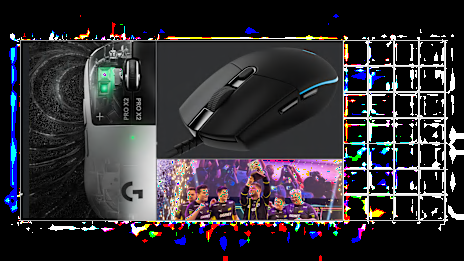
Adam Toth is the Program Research Manager of the LERO Esports Science Research Lab (ESRL), Europe's first esports-focused research facility. He’s been studying both recreational gamers and competitive esports athletes since 2018, helping research what makes professional players so good at what they do, while defining those skills. He is also an Associate Professor in Neuroscience and Biomechanics at the University of Limerick in Ireland since 2022.

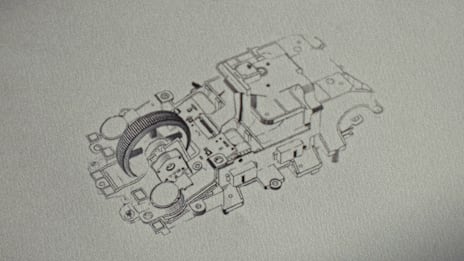
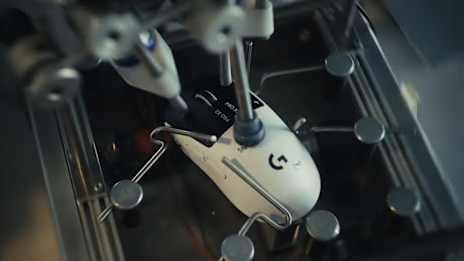
Inside the PRO X2 SUPERSTRIKE | Logitech G
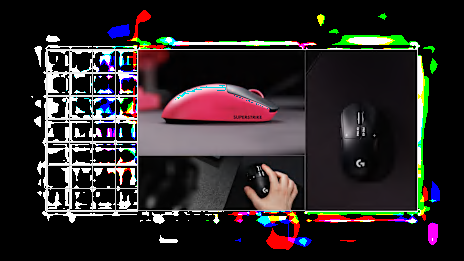
Explore the PRO X2 SUPERSTRIKE origin story. See how HITS haptic technology brings rapid trigger and low latency to esports.