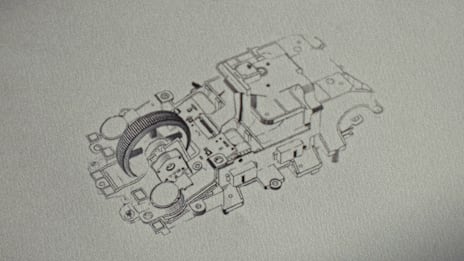
Inside the PRO X2 SUPERSTRIKE | Logitech G
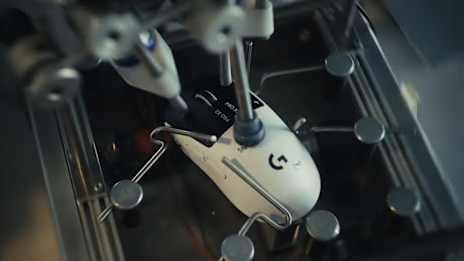
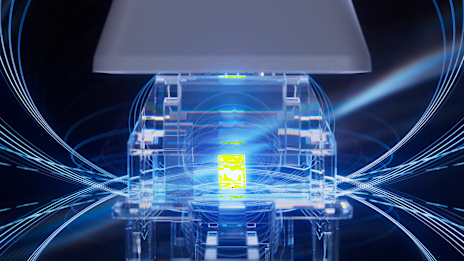
Explore the PRO X2 SUPERSTRIKE origin story. See how HITS haptic technology brings rapid trigger and low latency to esports.
The Innovators of SUPERSTRIKE | Logitech G
Meet the PRO X2 SUPERSTRIKE innovators. A photo essay on the pros and engineers behind HITS technology.
What Is Designed with Pros? | Logitech G
Learn how Logitech G collaborates with esports pros to design PRO Series gear for elite gaming performance.
Science of PLAY: Clickspeed | Logitech G
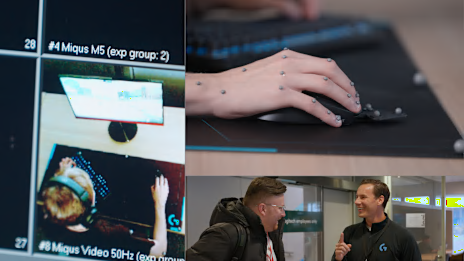
Watch Science of PLAY Episode 1. Discover how esports pros maximize click speed with HITS technology in the PRO X2 SUPERSTRIKE mouse.
Esports Performance Insights with Adam Toth | Logitech G
Discover our interview with LERO ESRL’s Adam Toth on esports performance, player skills, the science behind success, and what makes esports athletes excel.
Working with Esports Athletes: Graham Miller | Logitech G
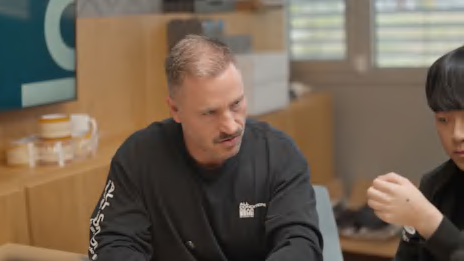
Discover Graham Miller’s insights on working with esports athletes and shaping the future of gaming gear
PRO X 2 SUPERSTRIKE Gallery - Logitech G
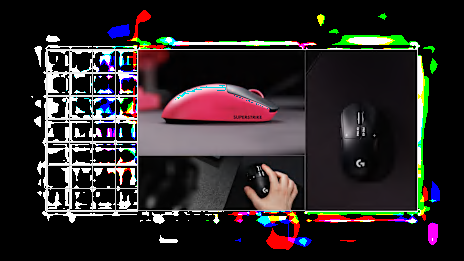
The PRO X2 SUPERSTRIKE gaming mouse, designed with pros. Explore the development, custom casing, and HITS technology in this 20-photo essay
Behind the Winter Workshop | Logitech G
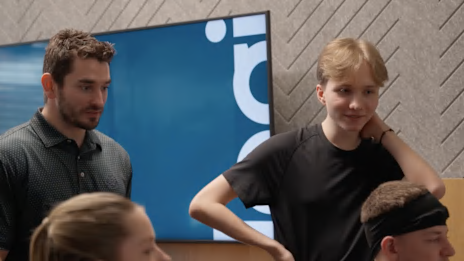
Go behind the scenes of Logitech G’s Winter Workshop, where esports pros test innovations and new ideas.
The DNA of PRO Series | Logitech G
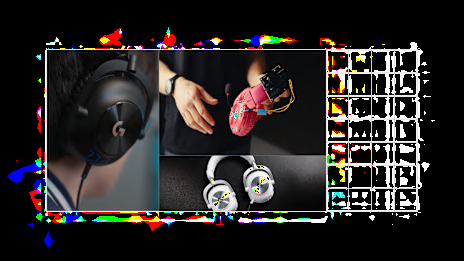
Discover the DNA of PRO Series. Gaming gear designed and tested with pros to give competitive players an edge through precision and elite performance.
Working with Esports Athletes: Matt Pugmire | Logitech G
Discover Matt Pugmire’s insights on working closely with esports athletes to design PRO Series gaming gear.
What Is the PRO Alliance in Esports? | Logitech G
Discover how Logitech G PRO Alliance supports esports pros with gear, coaching, wellness, and product input.
Inside the G2 R6 Bootcamp at Logitech San Jose | Logitech G
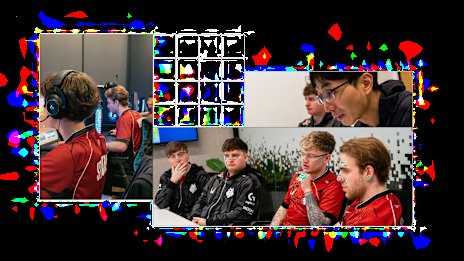
Go inside G2 Esports’ R6 bootcamp in San Jose, where pros test Logitech G gear and share product feedback.
Working with Esports Athletes: Cary Lambert | Logitech G
Discover how Cary Lambert and Logitech G shape PRO Series gear with esports athletes through direct feedback.
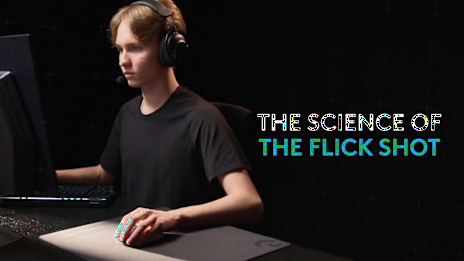
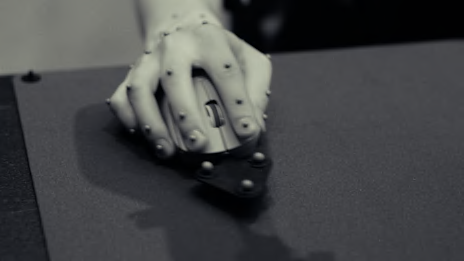
Science of PLAY: Flick Shots in Esports | Logitech G
Discover the science behind esports flick shots and HERO 2 sensor tracking for fast, precise mouse control.
Designing with Pros at DreamHack | Logitech G
Discover how Logitech G works with esports athletes at DreamHack to shape PRO Series gear through feedback.
Working with Esports Athletes: Yael Sidler | Logitech G
Read our interview with Logitech G UX Designer Yael Sidler on working with esports athletes to develop PRO Series gear like the PRO X2 SUPERSTRIKE.
PRO X CONTROL Esports Gaming Mousepad | Logitech G
Discover PRO X CONTROL, the first PRO Series gaming mousepad, designed with esports athletes for balanced speed, control, comfort, and precise movement.
10 Years of Esports Science with Adam Toth | Logitech G
Discover 10 years of esports science with Adam Toth, from athlete performance and health to future research.
PRO X3 LIGHTSPEED: Designed With Esports Pros | Logitech G
Discover how esports athlete feedback shaped PRO X3 LIGHTSPEED, with high-performance audio, expanded EQ, clear comms, and LIGHTSPEED wireless.
PRO X2 RAPID Esports Keyboard Performance | Logitech G
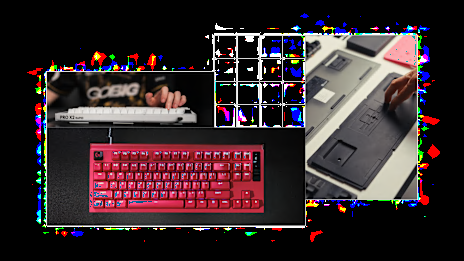
Discover how Logitech G PRO X2 RAPID combines Rapid Trigger, OLED controls and 8kHz performance for esports.
PRO X3 SUPERSTRIKE Gaming Mouse Innovation | Logitech G
Discover how Logitech G pro feedback shaped PRO X3 SUPERSTRIKE with HITS Technology, 8kHz and battery life.
PRO Series 2026 Esports Gear Line-Up | Logitech G
Meet the Logitech G PRO Series 2026 line-up, featuring high-performance esports gear designed with professional athletes for competitive gaming.
10 Years of PRO Series Esports Innovation | Logitech G
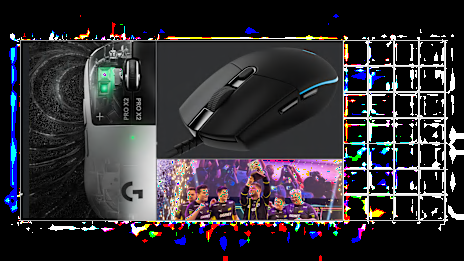
Explore 10 years of Logitech G PRO Series innovation shaped by esports athletes and high-performance gaming.